Salt marches
Importance of salt marshes
Salt marshes are unique ecosystemssituated in the interface between terrestrial and marine environments.
Flora and fauna communities in salt marshes are adapted to the influence of the tides that cause different inundation and salinity conditions. For this reason these communities often show clear zonation patterns in their distribution.
marshes are extremely valuable ecosystems considered biodiversity hotspots. In addition, they provide many services and goods for people at local and global scales. Some of these services include carbon sequestration, and protection of coastal areas against flooding, erosion or pollution.
Despite their ecological and socio-economic importance, these habitats are threatened by multiple anthropogenic pressures and natural hazards.
Salt marshes distribution
Salt marshes are found in most parts of the world. Mainly in temperate zones and at locations without strong wave action.
nIn MaCoBioS we have focused on the salt marshes located in the Northern European Region.
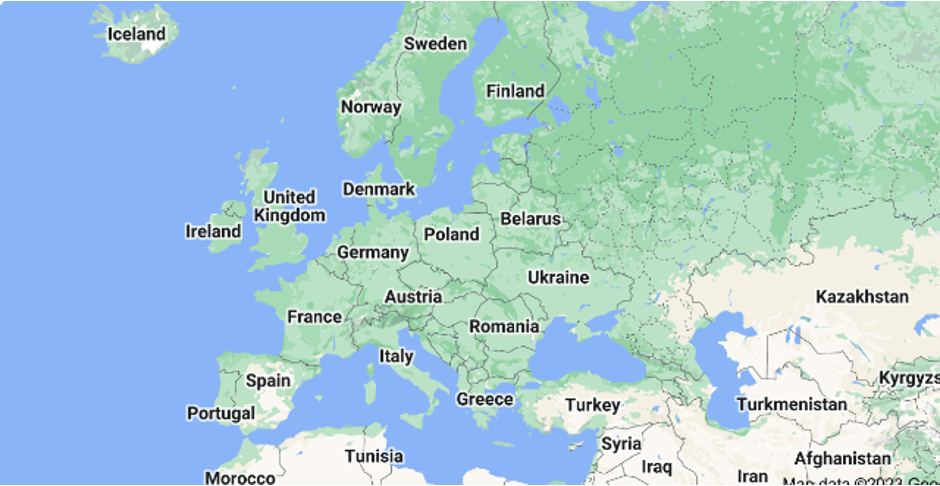
Ireland: Bull Island (Dublin Bay)
UK : Keyhaven marshes (near Lymington), Langstone, Medmerry Nature Reserve
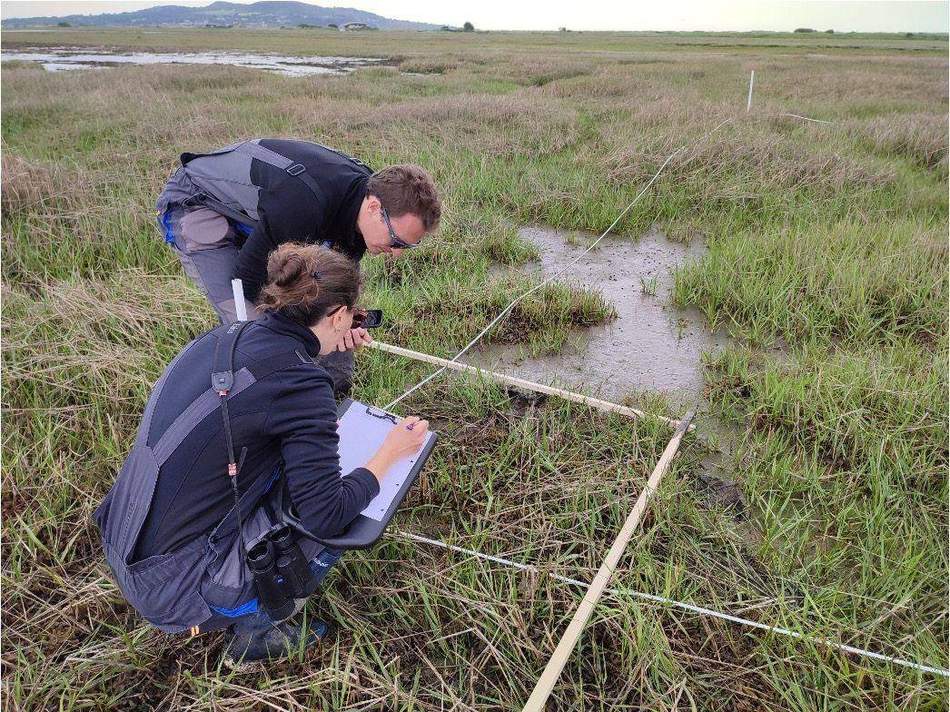
MaCoBioS fieldwork
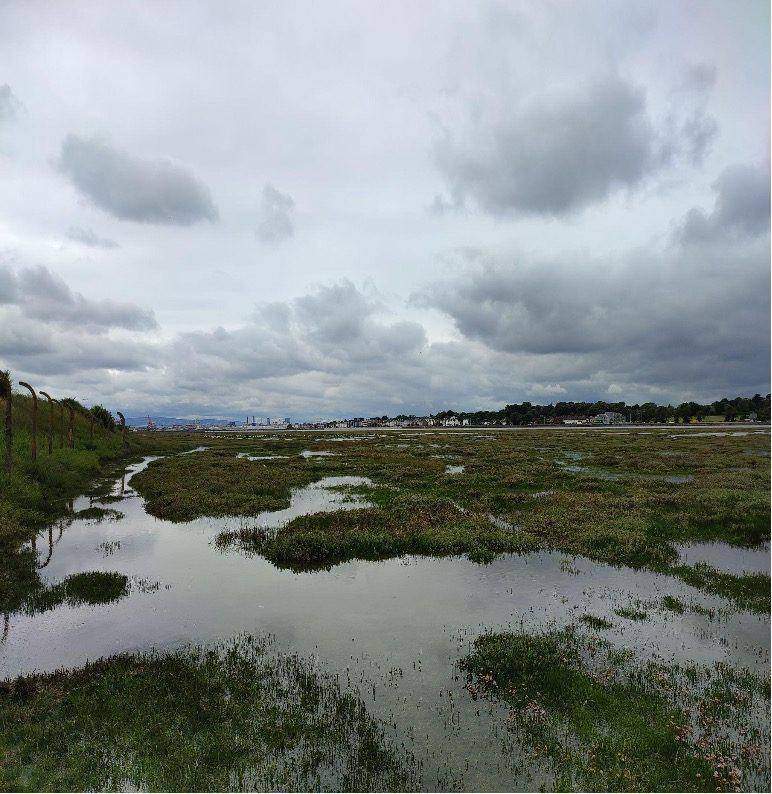
To know a bit more about its biodiversity and health condition, during the project we performed several field campaigns in salt marshes in countries such as Ireland and UK.
During our fieldwork we deployed cross-shore transects from the stranding line to the back of salt marshes. We assessed shore profile elevation and salinity along the transect and deployed quadrats for finer biodiversity and plants community characterization.
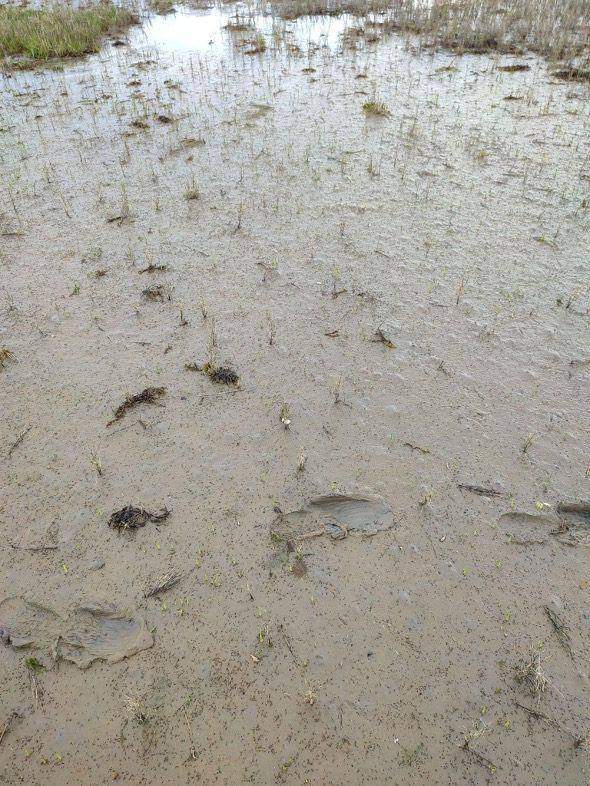
nDue to their boggy conditions was not always easy to walk on them!
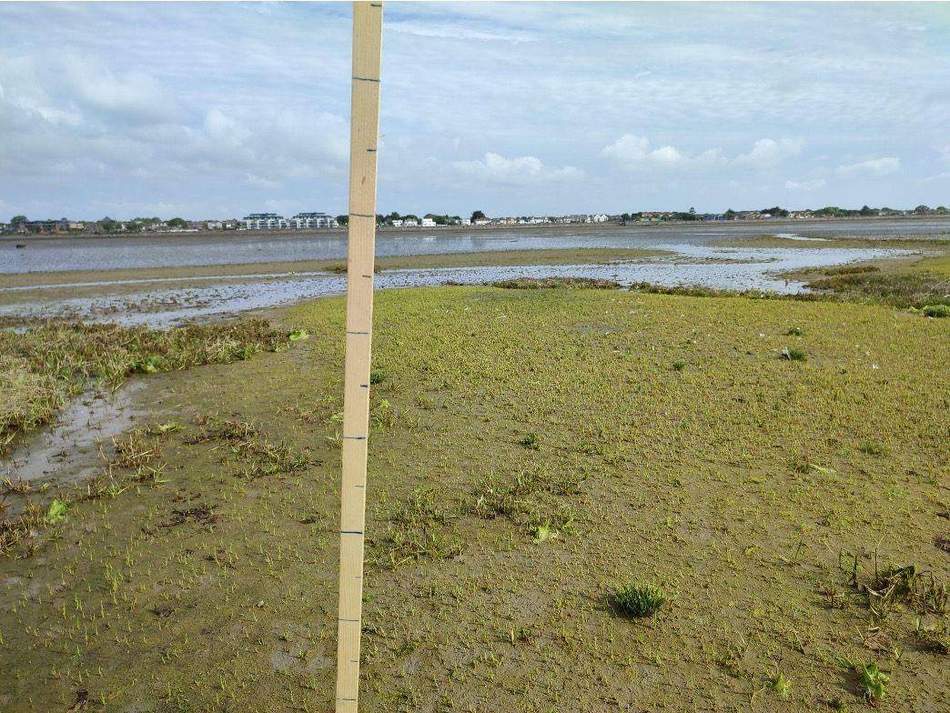
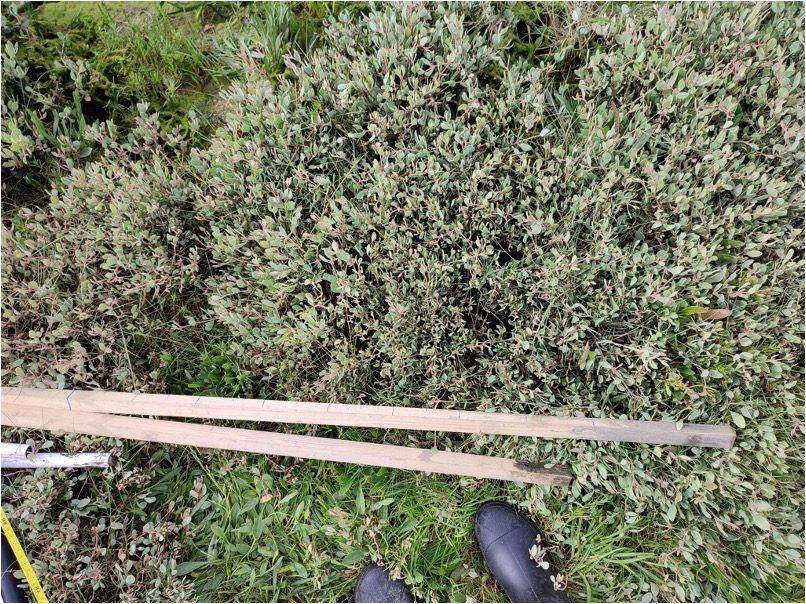
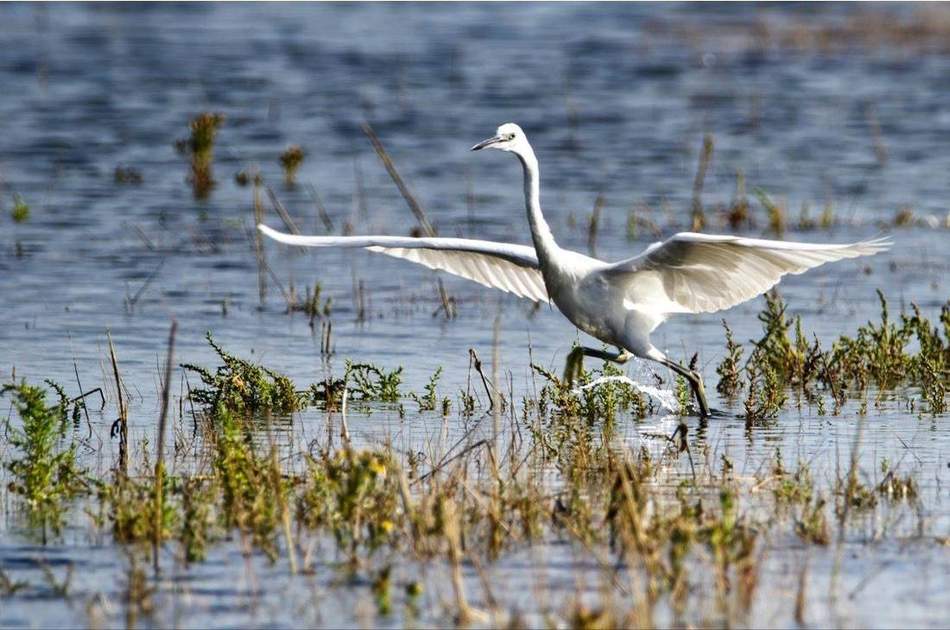
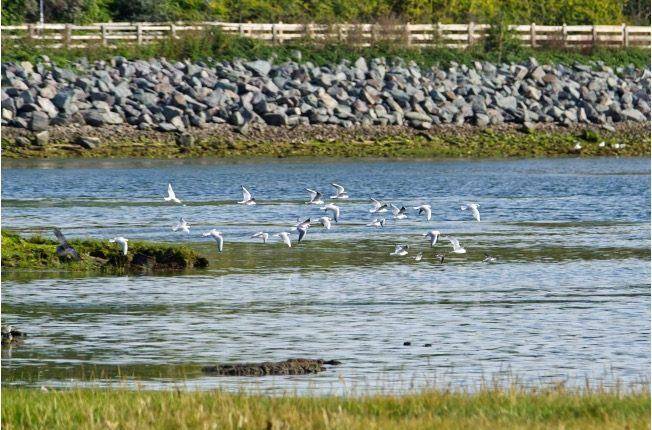
Salt marshes further provide feeding, resting and breeding grounds for many birds. Their productivity also flow to surrounding ecosystems where birds also feed such as mud flats.
Because of this tight link between birds and salt marshes, we also conducted birds observations during our fieldwork to assess their biodiversity in the area around the cross-shore transects.
Salt marshes monitoring
Regular monitoring of salt marshes is key to understand their spatial and temporal changes and the effects that cause these variations.
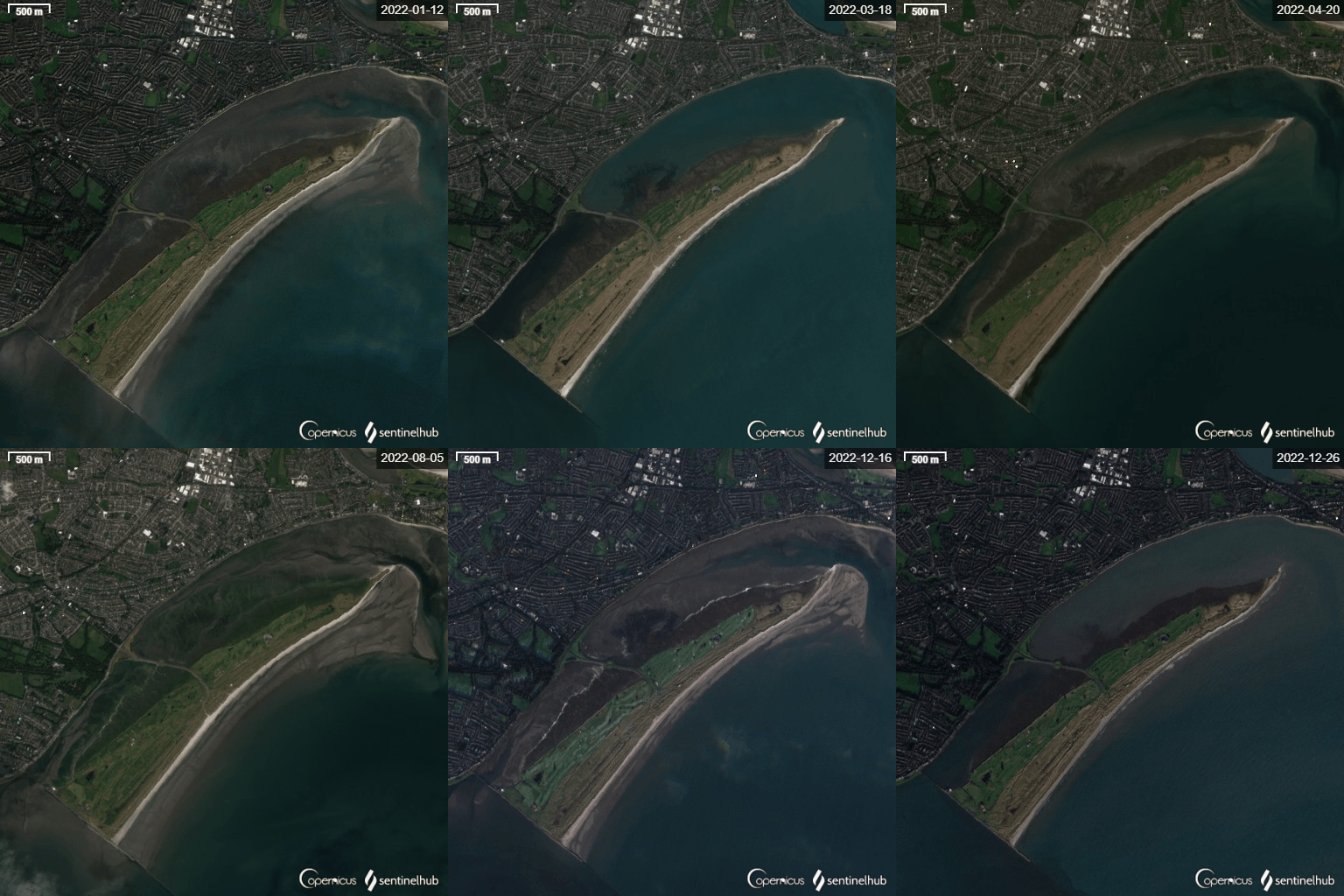
Remote sensing technologies allow the monitoring of salt marshes from space with temporal and spatial continuity.
From all satellites in space nowadays, the mission Sentinel-2, currently composed by two twin satellites, offers data at 10 m of pixel size with a frequency of 2-3 days at mid latitudes.
This aspect is important for long-term monitoring of salt marshes at large scale (at reasonable cost), without disturbing its natural environment.
Of course, if you’re up for the challenging muddy conditions, you can always take your wooden shoes and do fine scale in-situ monitoring as we have done in MaCoBioS project! Ground truthing is always required for training and validation of remote sensing data.
MaCoBioS remote sensing
In MaCoBioS we will evaluate Sentinel-2 data for providing information about salt marsh extent, species composition and health condition.
New satellites will be added to the Sentinel-2 mission in the future ensuring the continuity of the data and the long term applicability of the methodology developed in MaCoBioS
MaCoBioS remote sensing
Unmanned Aerial Vehicles (UAVs) are an alternative to satellite data to assess the health state and monitor saltmarshes.
UAV data provide more spatial detail than satellite data and can be deployed taking into account user requirements.
UAV platforms can carry on board multispectral sensors (few number of spectral bands) or hyperspectral sensors (high number of spectral bands).
In MaCoBioS Project we have flown an UAV to map over the salt marshes of Dublin Bay (Ireland).
- In spite of their importance for biodiversity holders and ecosystem services providers, salt marshes are being affected by different climate- related stressors such as sea level rise, warming or extreme weather events; combined with human-related stressors such as coastal development or pollution.
- The activities done in MaCoBioS project will provide new knowledge about the ecological condition of these ecosystems and will contribute to understand how climate and anthropogenic pressures are affecting salt marshes.
- MaCoBios will also evaluate how Nature-based Solutions (NBS) can help to mitigate these pressures conserving and restoring salt marshes while providing evidence-based guidance for policy formulation.
- If you are interested in more detailed information about the work done in salt marshes please visit the specific sites in the MaCoBios website and the Toolbox.