EU Horizon 2020 research project
Marine Coastal Ecosystems
Biodiversity and Services
in a Changing World
Science and tools to protect Europe’s marine and coastal ecosystems, and the people who depend on them, in a changing climate.
 01
Ecosystem models
Develop new empirical models on the interaction between climate change, biodiversity, functions and services in marine coastal ecosystems.
 02
Climate scenarios
Establish a framework to assess the vulnerability of marine social-ecological systems under climate change scenarios.
 03
Nature-based solutions
Evaluate the effectiveness of nature-based solutions and protection measures at enhancing the resilience of marine coastal ecosystems.
 04
Policy guidance
Provide evidence-based guidance for marine policy and innovative research pathways to support cost-effective strategies.
institutions
About the project
What is MaCoBioS?
MaCoBioS is an EU-funded project whose main objective is to ensure efficient and integrated management and conservation strategies for European marine coastal ecosystems to face climate change.
The EU Biodiversity strategy highlights the importance of halting the loss of biodiversity and ecosystem services. The main challenge is to fill knowledge gaps on the inter-relations between climate change, biodiversity and ecosystem services, and to ensure an effective transfer of knowledge to stakeholders. Marine coastal ecosystems are European priority habitats: almost half of the EU population lives in its maritime regions.
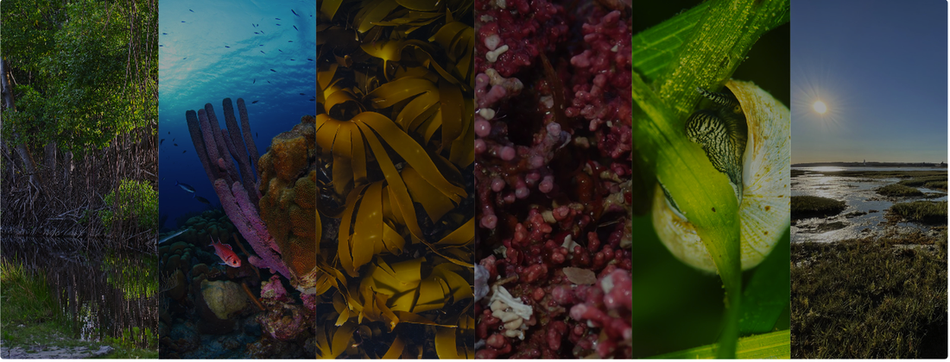
- Seagrass beds
- Coral reefs
- Mangroves
- Coralligenous & maërl
- Salt marshes
- Kelp forests
Highlights
Discover our work
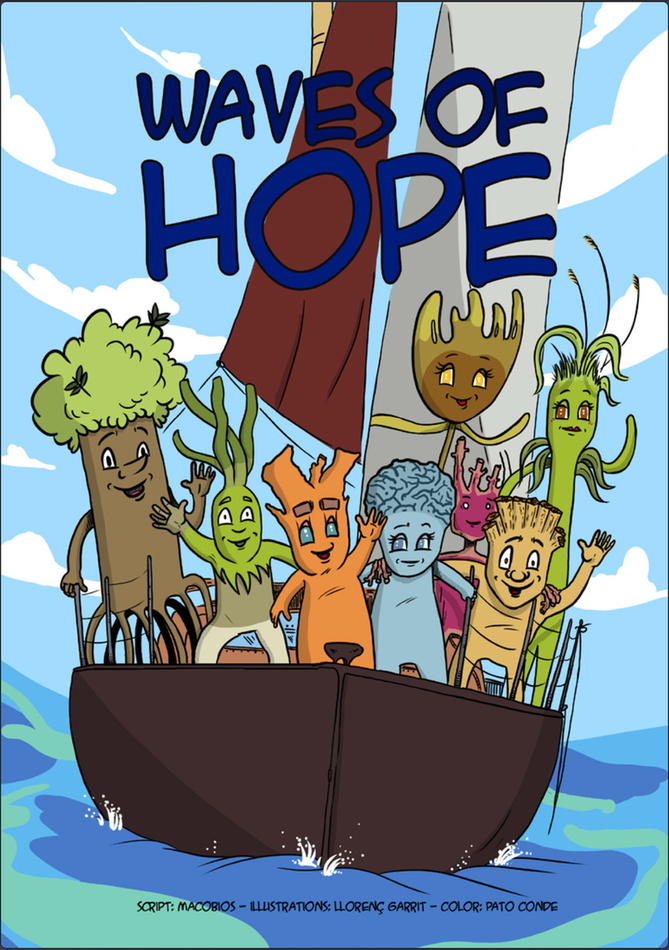 Comic‘Waves of Hope’ is here!Our science comic about marine ecosystems and Nature-based Solutions.Read the comic
 ToolboxThe Blue NBS ToolboxFive tools to design and implement marine and coastal Nature-based Solutions.Open the Toolbox
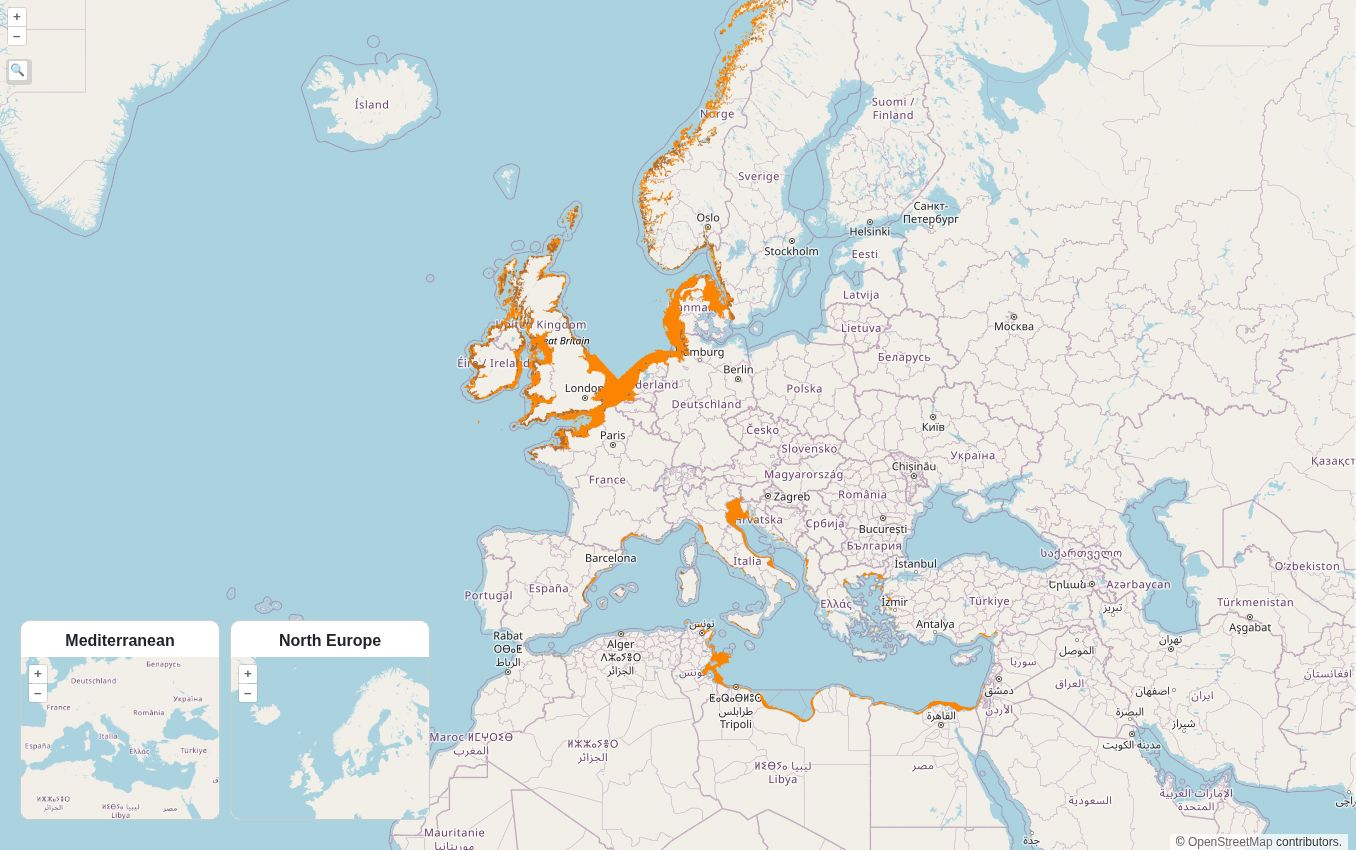 WebGISExplore our maps onlineKelp, seagrass and Posidonia habitats, with climate scenarios for 2050 and 2100.Open the WebGIS
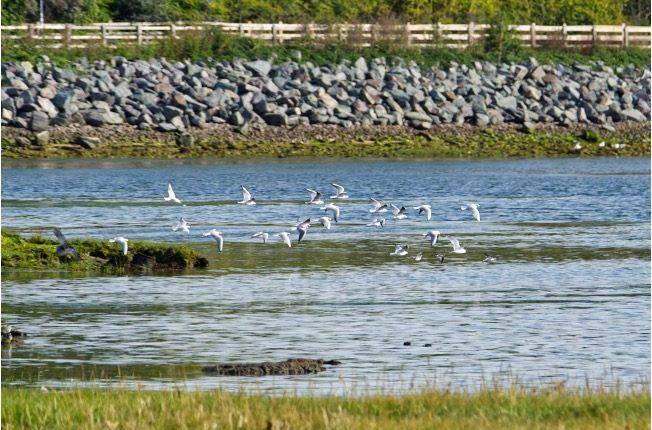 Story mapSalt marshesFrom muddy boots to satellites: our fieldwork told as a story.Start the story
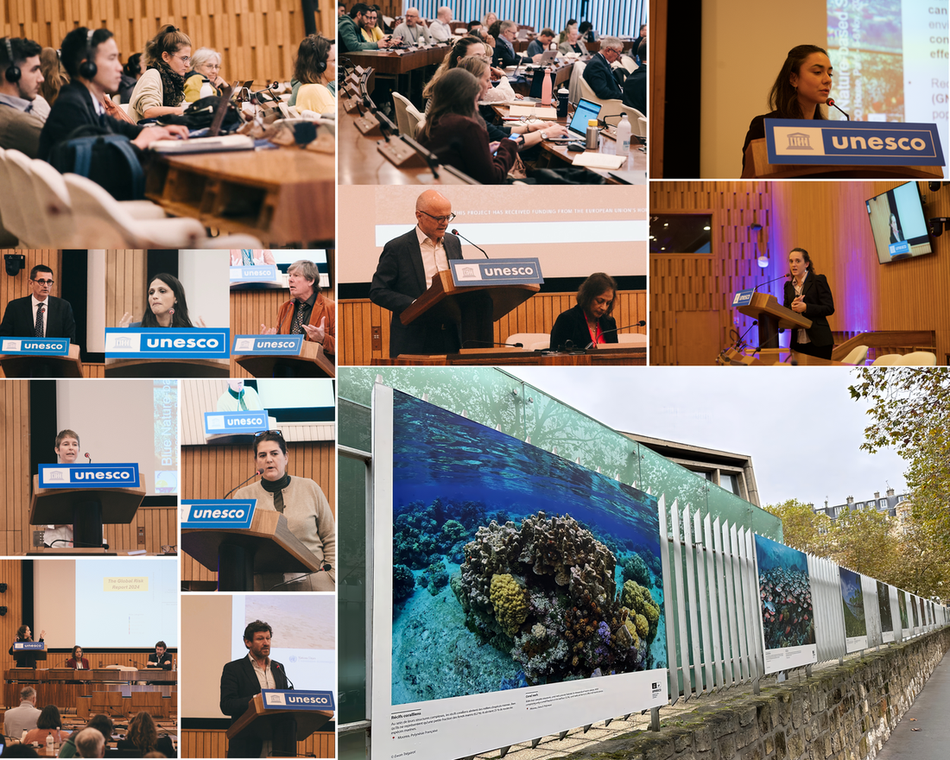 EventBlue NBS Week, Paris5–7 November 2024: exhibition, conferences and workshops at UNESCO.Read the story
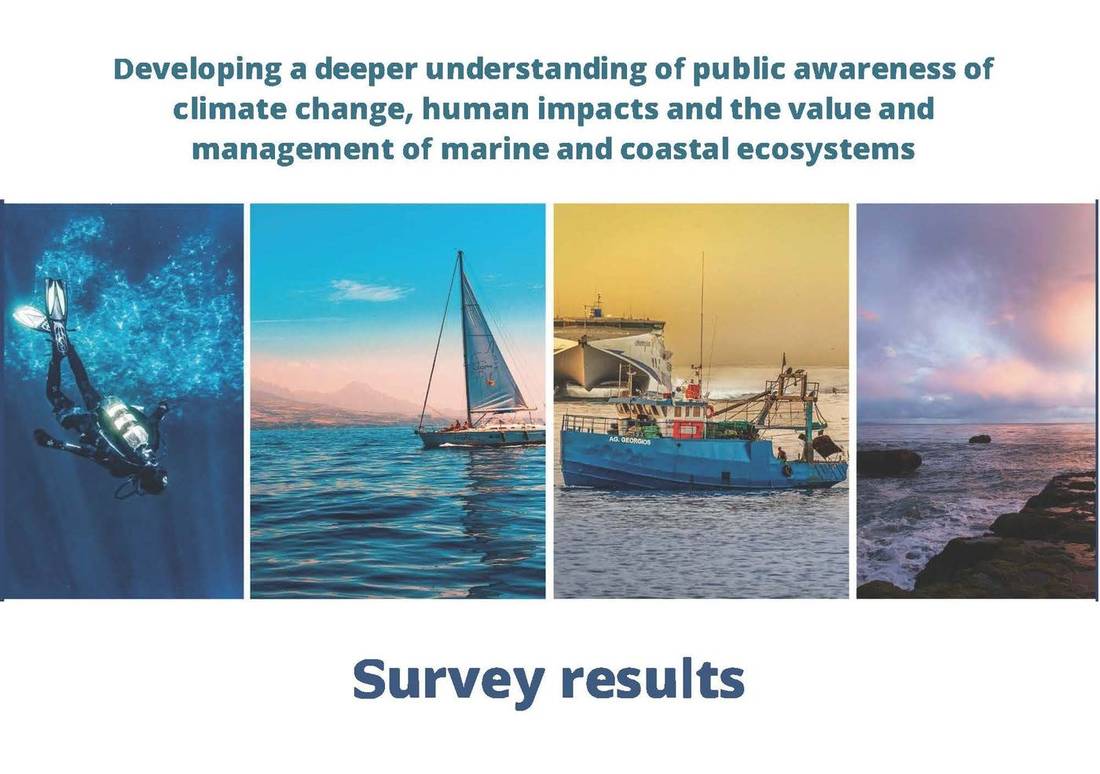 SurveySurvey resultsPublic awareness of climate change and the value of marine and coastal ecosystems.See the results
Interactive maps
Where are the habitats, and how will they change?
Browse 36 map layers of kelp forests, seagrass meadows and Posidonia oceanica, with suitability scenarios under climate change for 2050 and 2100.
Video
MaCoBioS in a few minutes
News & views
Latest news
12 December 2024Sharing stories with MaCoBioS at Blue NBS week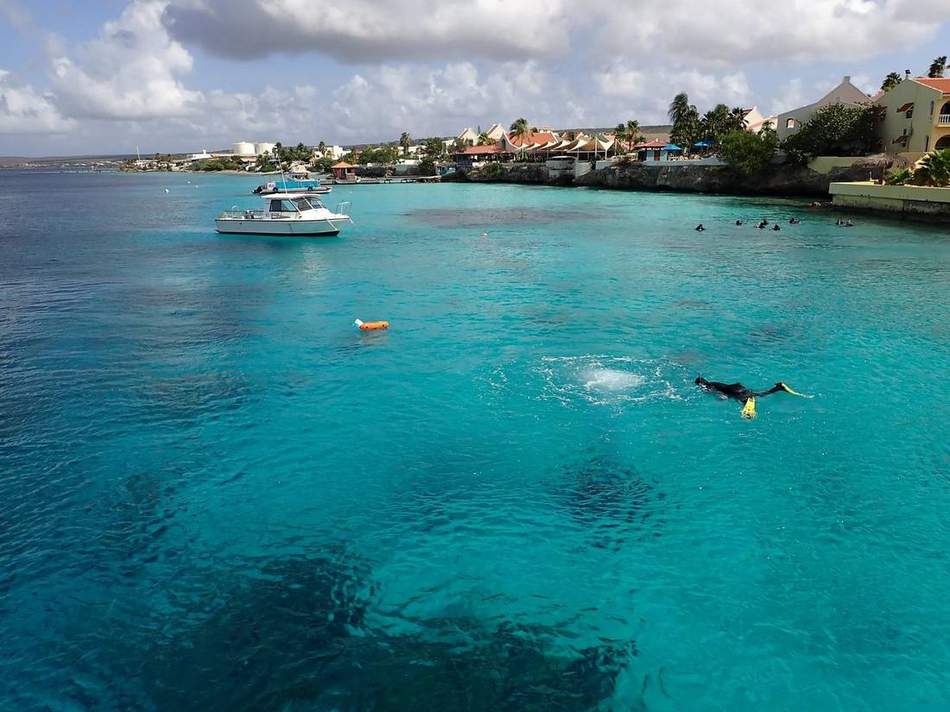 19 November 2024Quest for corals: unveiling the anatomy of a scientific expedition to Bonaire
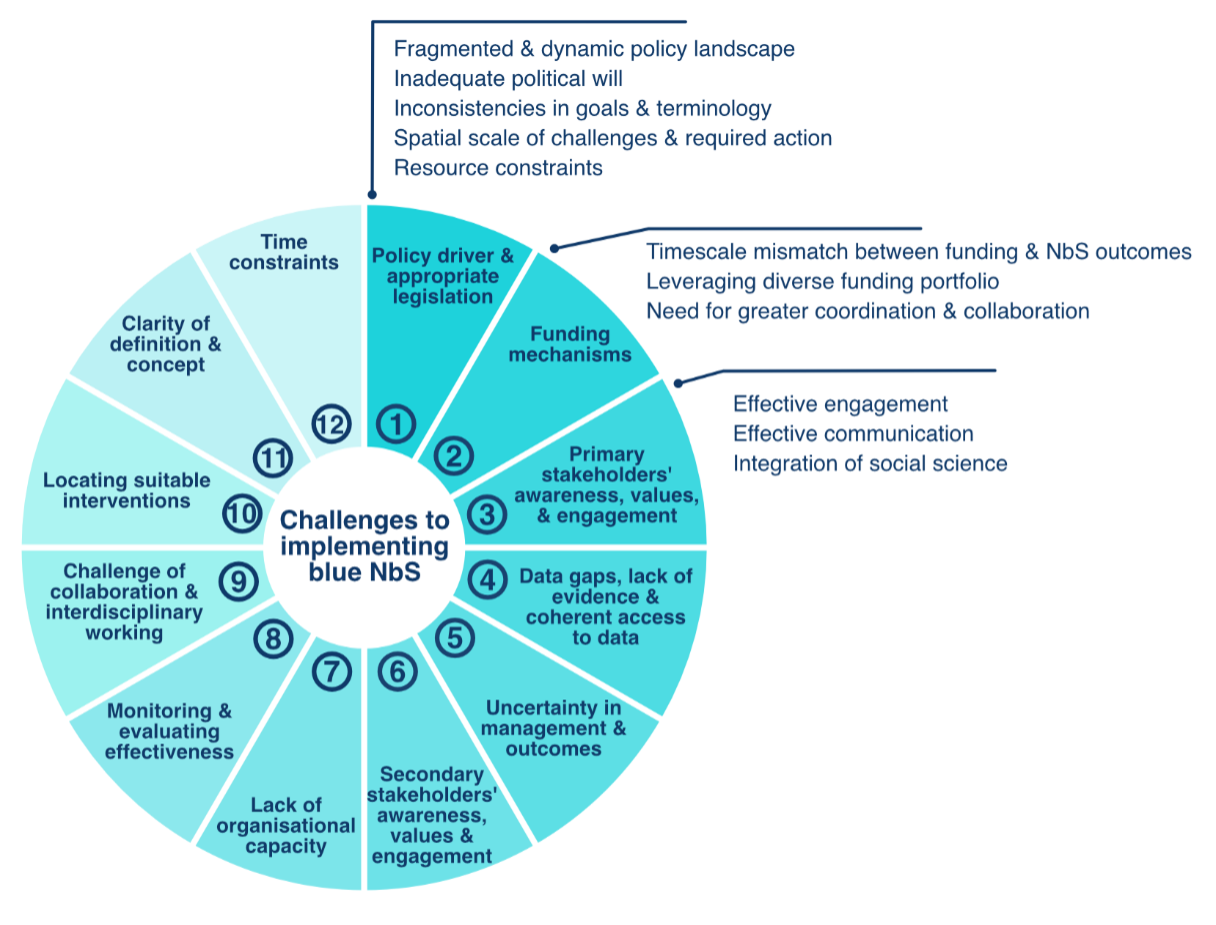 13 June 2024Blue Nature-based Solutions: Charting a course to overcome challenges to implementation11 June 2024Unlocking the potential of Nature-based Solutions in marine and coastal environments: The MaCoBioS Blue NBS Toolbox has launched!
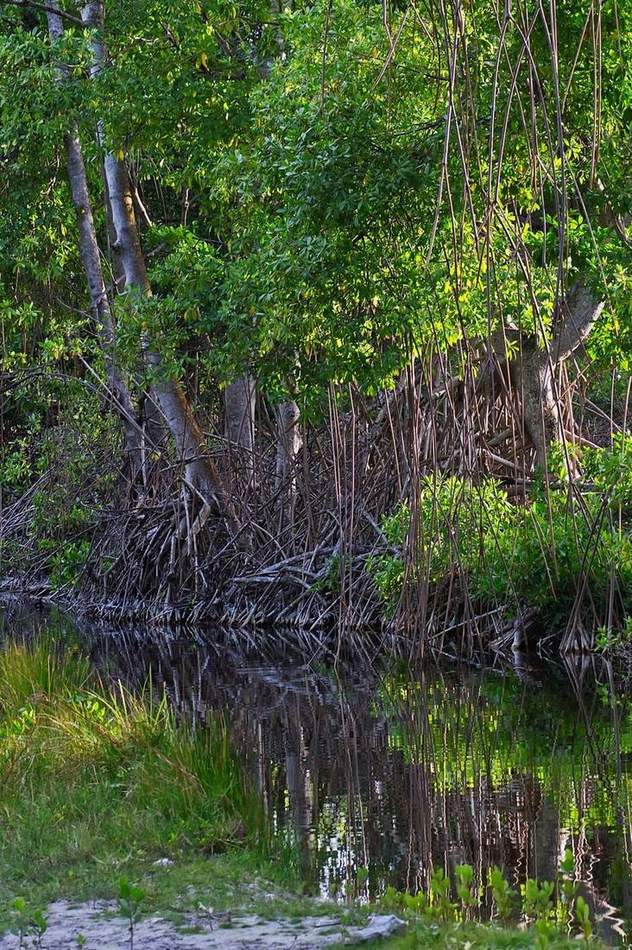 25 March 2024Can small mangrove forests be monitored from space?
Consortium
Our partners